
TEXT YOUNES EL OUAFIQ
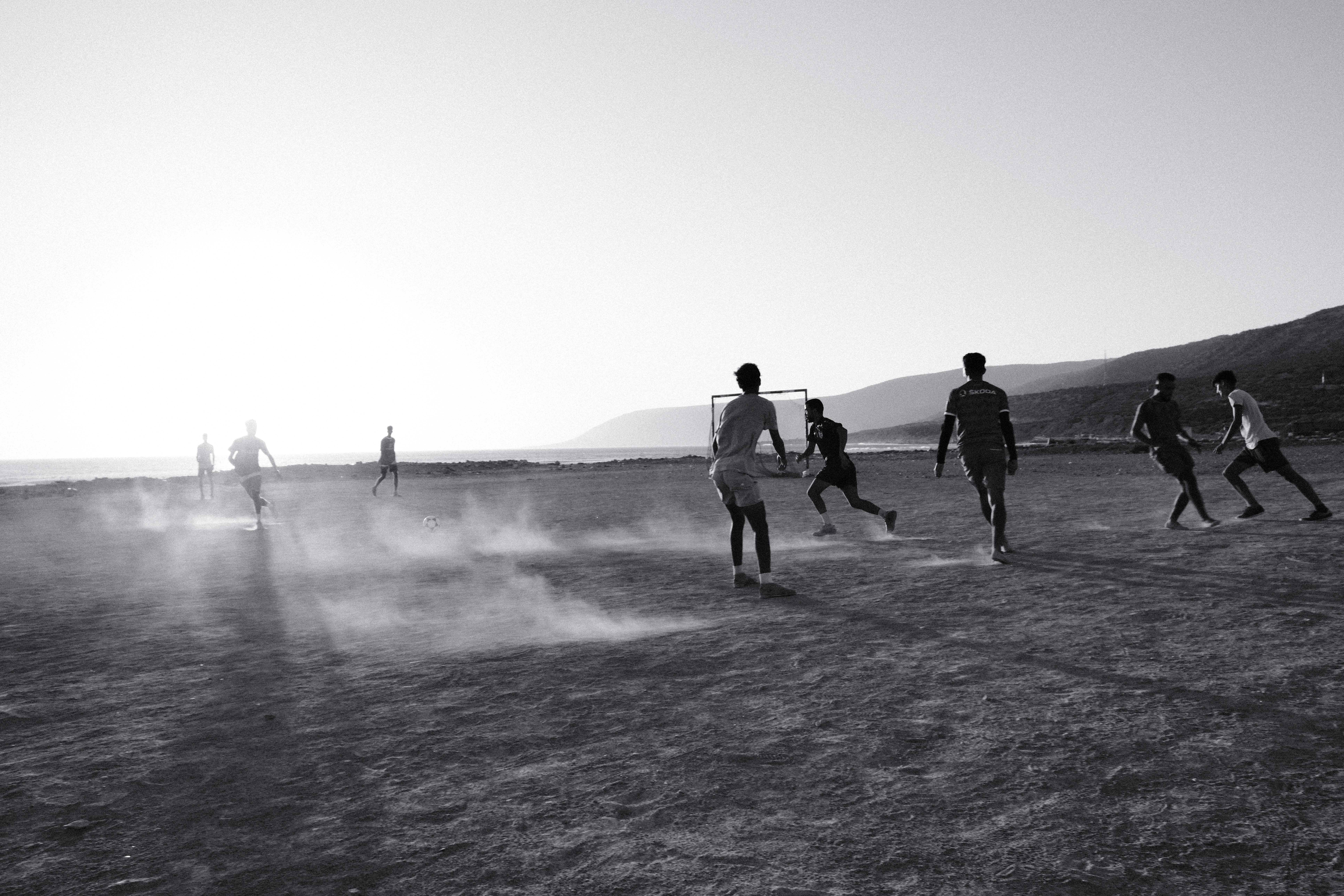
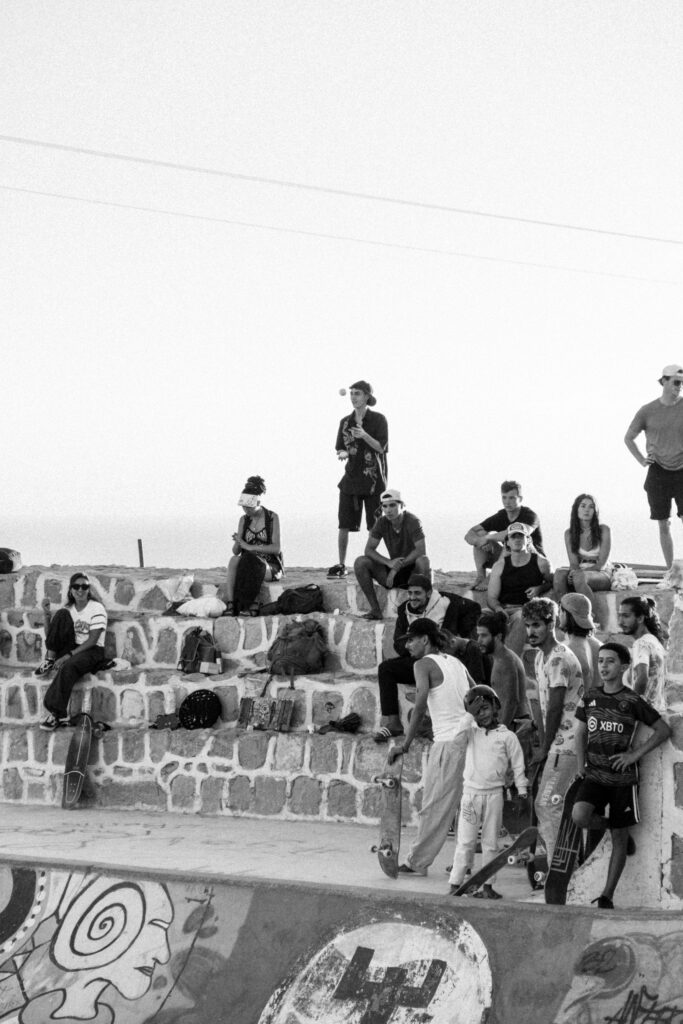
When the earthquake struck Al Haouz, solidarity was immediate. Neighbors became rescuers, strangers became family, and survival depended on collective strength. Children still played football in the dust. Skateboards rolled through broken streets. Life continued, quietly insisting on resilience, creativity, and community.
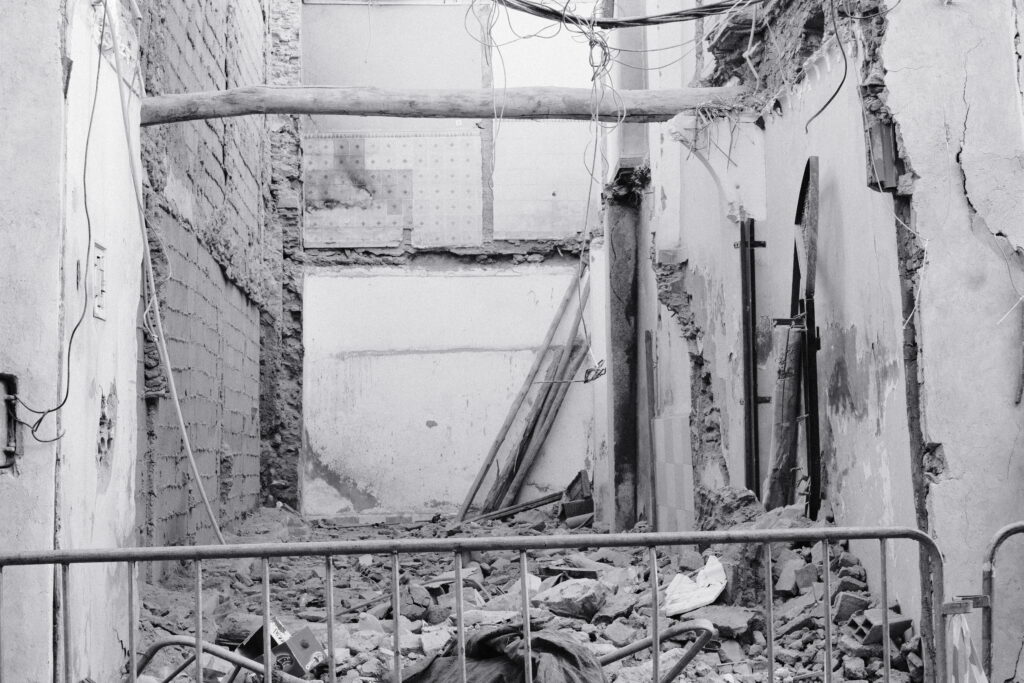
Yet the disaster also revealed a deeper truth: Morocco’s vulnerabilities are not only geological, they are political and social. Across the country, protests now echo the same urgency — billions invested in stadiums and international spectacles, while hospitals remain under-equipped and classrooms overcrowded.
The quake reminded us that aid cannot end with relief. It must mark the start of a new vision — one where resilience is measured by strong public services, where dignity comes before prestige, and where health, education, and community are the foundation of a safe, thriving country. “Stadiums are here, but where are the doctors?” has become the cry of a nation asking what really matters.
Morocco stands at a crossroads. To honor the lessons of Al Haouz, the people we lost, and the voices in the streets, investment must shift from spectacle to survival, from image to substance. True strength will not be measured in stadium lights, but in the lives protected, the futures nurtured, and the culture and humanity that make Morocco unshakable.
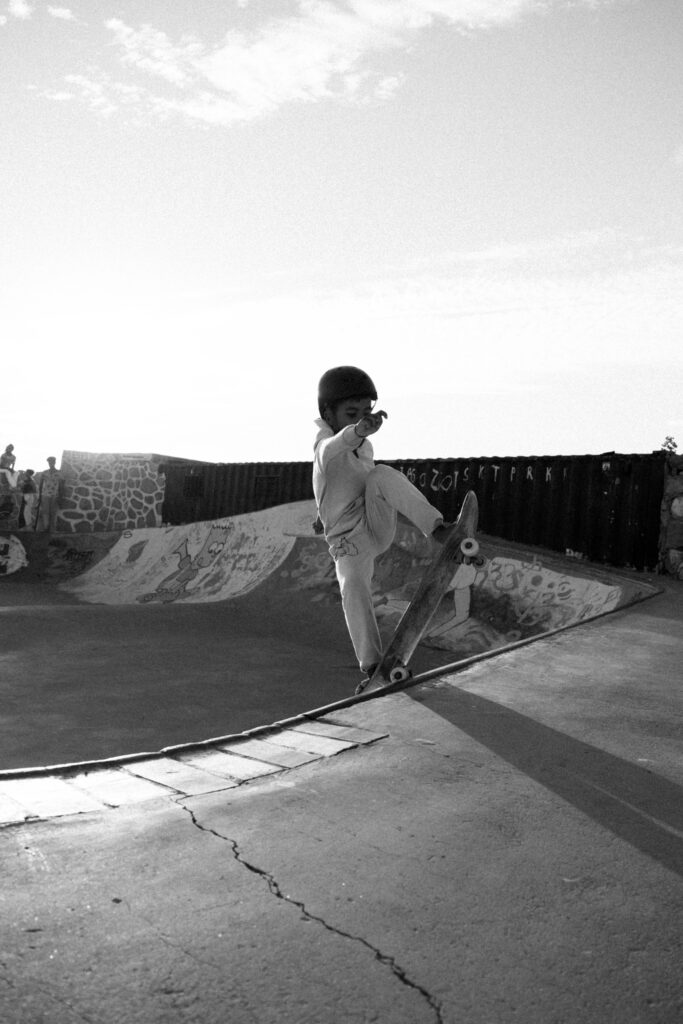
Filipe Tomás is a photographer who moves through the world quietly, searching for small human moments that speak louder than landmarks.
Often working in black and white, he strips scenes to their essentials, giving everyday life a timeless weight.
“Amid the rubble, life kept going — and so did dignity.”
Filipe Tòmas
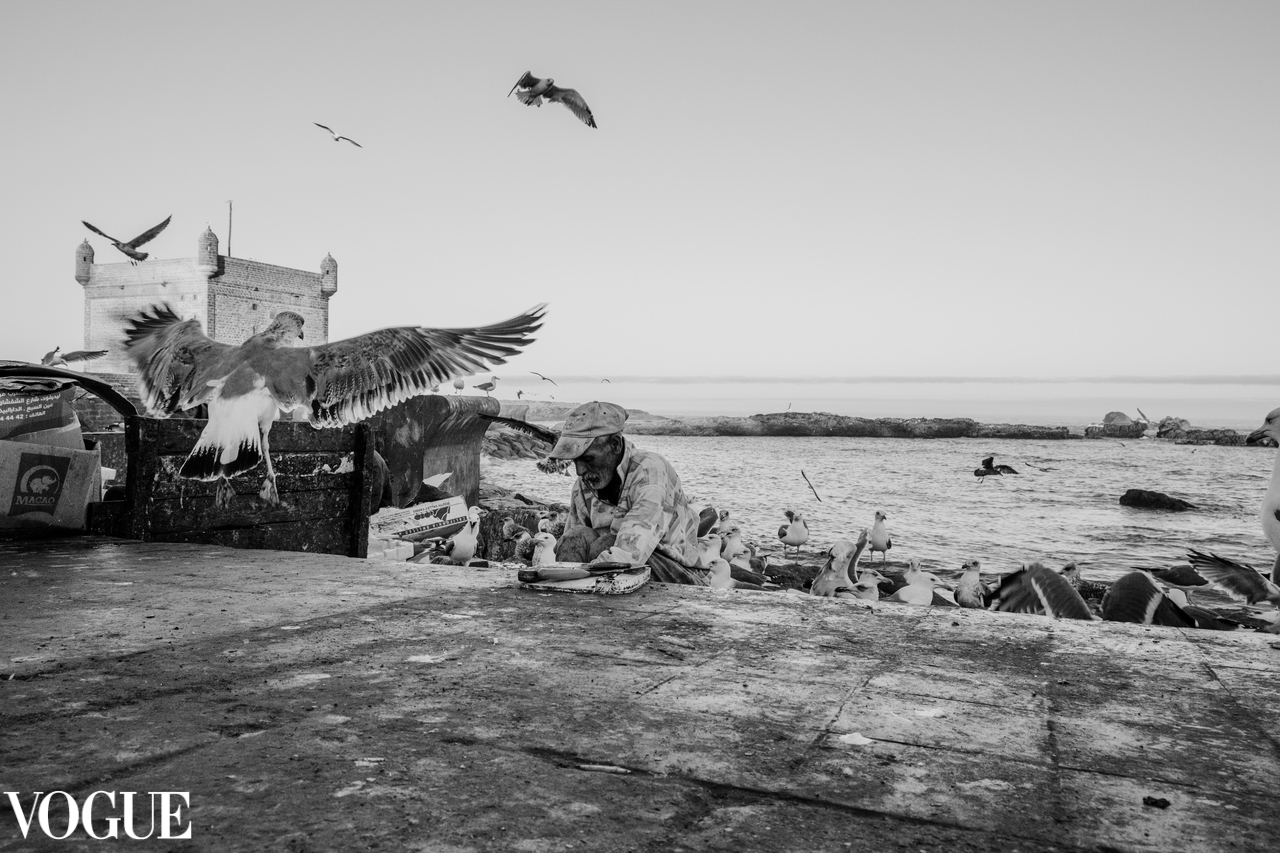
Quiet Wildfulness
Filipe Tòmas
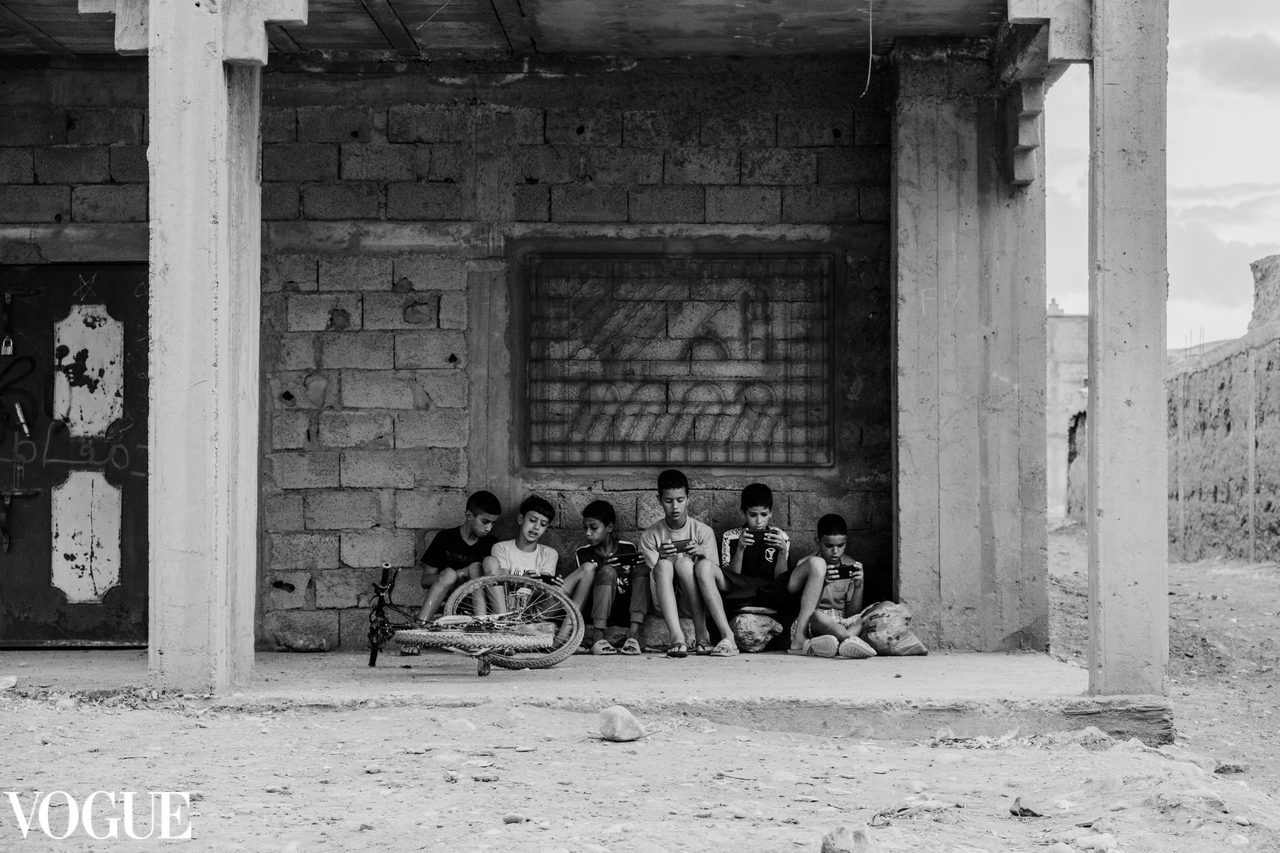
Connection
Filipe Tòmas
Photography Filipe Tomas